
Computer Vision in Live Casino: How Cameras and AI Recognise Cards, Roulette and Dealer Actions
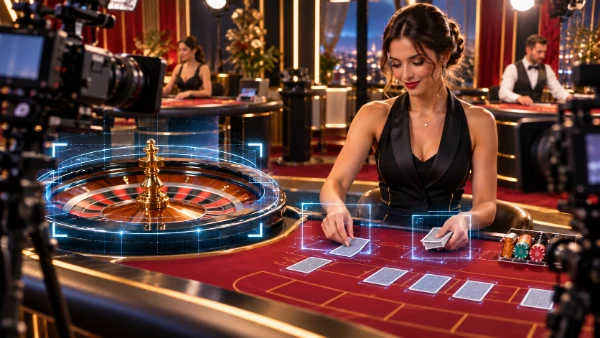
Live casino combines a real dealer and physical equipment with software that turns events at the table into digital data. In 2026, cameras, optical character recognition and computer vision can automate much of this translation. They do not replace the dealer or decide the result: they observe cards, wheels and table activity, then pass recognised information to the game interface.
How a Live Table Becomes Machine-Readable
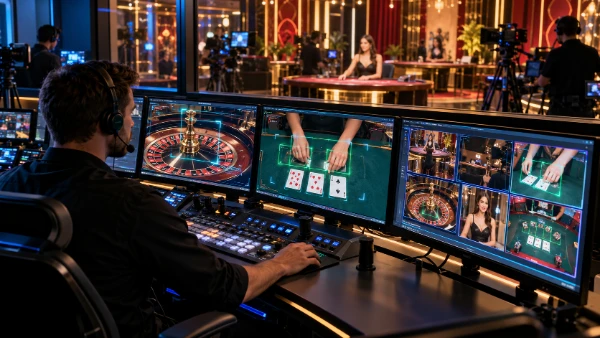
A live studio uses cameras for more than broadcasting. One view may be intended for players, while another can focus on cards, roulette pockets or fixed areas of the table. Stable lighting and fixed angles help the software read events consistently.
For the player, the process is mostly invisible. At Nolimit way casino, live games appear alongside other casino categories, while the recognition technology comes from the suppliers that produce and stream individual tables. The studio technology remains the supplier’s responsibility.
OCR converts visible symbols into data. In live blackjack or baccarat, a camera can read the rank and suit of a face-up card and send that value to the game system. Modern computer vision can also locate the card, check its position and assess whether the image is clear enough to accept automatically.
Cards, Wheels and Physical Results
When a dealer exposes a card, the camera captures the relevant area, software identifies the card and the interface updates the hand. The physical card still determines the outcome. AI acts as an observer and translator, not as a random-number generator.
Roulette is more complex because the ball is moving. Depending on the studio, the result may be detected by camera-based vision, wheel sensors or a combination of both. Computer vision can track the ball and identify the final pocket, but not every live roulette table relies on AI alone.
Automated recognition can reduce manual data entry and help the on-screen result stay aligned with the physical game. If a view is blocked or confidence is low, the system can use another signal or flag the event for review rather than accepting an uncertain reading.
How AI Can Follow Dealer Actions
Computer vision can recognise sequences as well as single objects. A system may identify when a card is dealt, a hand is complete or a roulette spin has ended. Some commercial live-casino systems also use vision for dealer verification, table monitoring and quality control, although the exact functions vary by supplier.
This does not mean every gesture is judged by autonomous AI. Live studios still rely on trained dealers, game-control software and operational staff. Recognition works best when the table is designed for it, with clear zones, stable lighting, known card designs and predictable dealing procedures.
The result is a shared process. The dealer continues to shuffle, deal, spin and speak to players, while software converts visible events into structured data. Bets can then be evaluated, results displayed and the next round prepared without unnecessary manual input.
What Players Should Understand About the Technology
Computer vision can make live casino more responsive, but it is not proof of fairness by itself. Fairness also depends on physical equipment, game procedures, provider controls, testing and applicable regulation. A camera may recognise an outcome accurately while having no role in creating it.
It is also useful to separate established tools from broad AI claims. OCR, video analysis and sensors have been used in live gaming for years, while newer machine-learning models can improve object and action recognition. Claims that all studios use facial recognition, RFID or fully automated monitoring should be treated cautiously unless a supplier confirms them.
For players, the practical effect is simple: the cards and wheels remain physical, the dealer remains human, and software bridges the studio and the screen. Better cameras and stronger computer vision make that bridge faster and more reliable.